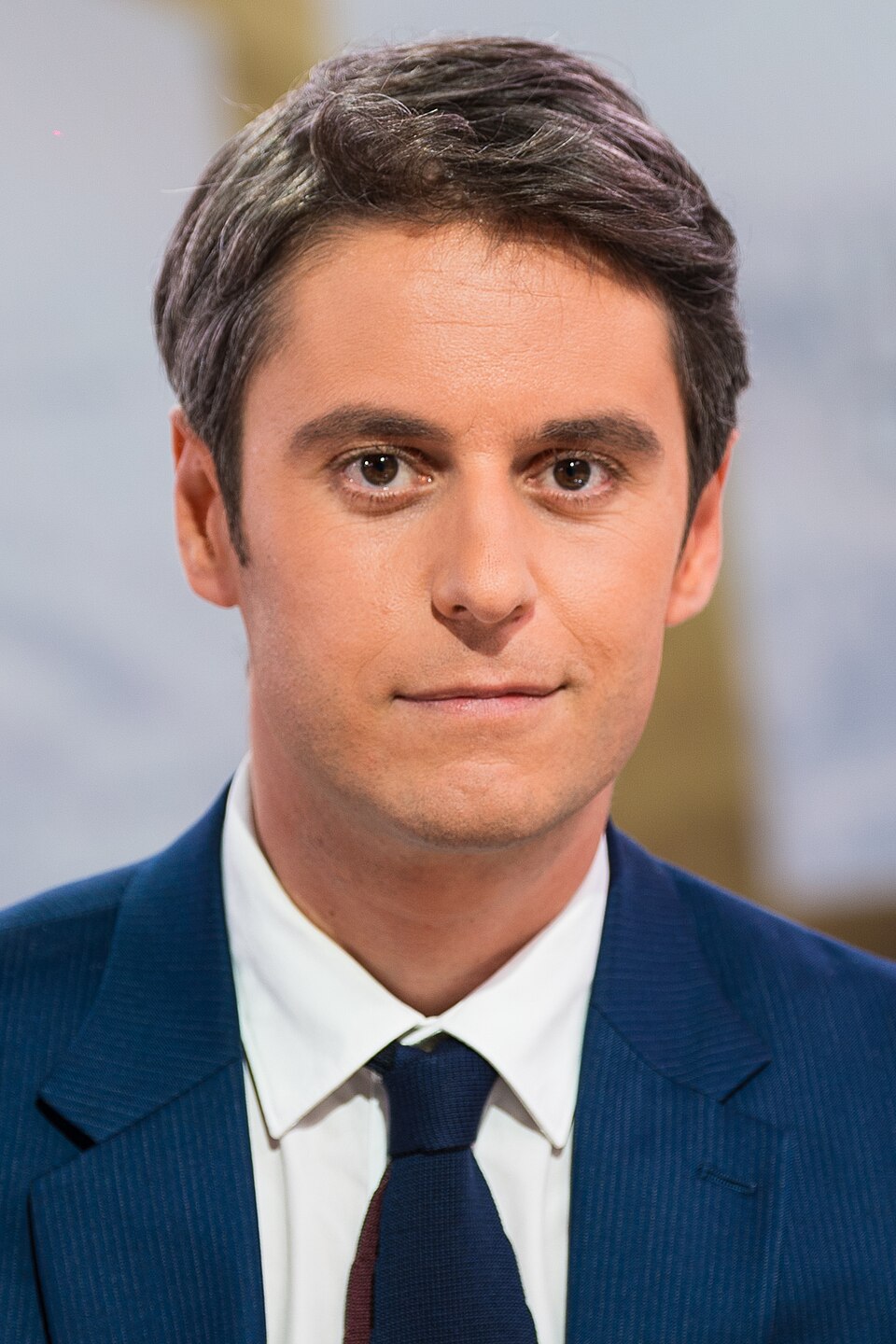
Gabriel Attal's International Debut: Shaping France's Global Stance
The international stage, a crucible for leaders to articulate their nation's vision, recently saw the pivotal entry of French Prime Minister Gabriel Attal. At the esteemed Munich Security Conference, Attal delivered what has been widely recognized as his inaugural "discours international" – a significant address that outlined France's resolute stance on critical global issues, primarily the war in Ukraine, the indispensable role of Europe, and the imperative of strong alliances. This landmark speech set a clear diplomatic trajectory for France under his premiership, emphasizing a robust and proactive foreign policy.
Attal's presence at Munich marked a crucial moment for a young leader stepping into complex global debates. His intervention was not merely a statement of intent but a powerful affirmation of France's unwavering commitment to international law and democratic values. It reverberated through European capitals and beyond, signalling a clear and decisive approach to pressing geopolitical challenges.
A "Diplomacy of Force" for a Turbulent World
Central to Gabriel Attal's message at Munich was his articulation of a "diplomacy of force" – a concept that immediately captured attention and sparked discussion. This wasn't a call for aggressive posturing, but rather a strategic framework for safeguarding international norms and the sovereignty of nations. As highlighted by Raphaël Glucksmann, a prominent political figure and European elections candidate, this approach is fundamentally about ensuring respect for international law and the territorial integrity of countries.
Attal's "diplomacy of force" stands in stark contrast to passive diplomacy or acquiescence to authoritarian dictates. It posits that true diplomacy in a volatile world requires strength – not weakness or capitulation – to uphold core principles. This is particularly pertinent in the context of the ongoing conflict in Ukraine. Attal firmly underscored France's unwavering support for Kyiv, unequivocally stating that Russia must not be allowed to prevail. This commitment aligns with a broader European consensus that the defense of Ukraine is a defense of shared democratic values and the international order itself.
The essence of this "diplomacy of force" can be broken down into several key components:
- Unwavering Support: Providing consistent and substantial aid to allies under threat, particularly Ukraine.
- Upholding International Law: Insisting on the respect for sovereignty and territorial integrity as non-negotiable principles.
- Rejecting Diktats: Refusing to bow to the pressures or demands of revisionist powers.
- Strategic Resolve: Demonstrating the political will and capacity to act decisively when core interests are challenged.
This proactive stance reflects a recognition that in an increasingly complex geopolitical landscape, soft power alone may not suffice to protect vital national and European interests. For a deeper dive into this pivotal address, consider exploring
Gabriel Attal's Debut: "Diplomacy of Force" at Munich Conference, which offers further context on his impactful appearance.
The Indispensable Role of Europe and Strong Alliances
Beyond the immediate crisis in Ukraine, Gabriel Attal's "discours international" placed significant emphasis on the bedrock of France's foreign policy: Europe and the strength of its alliances. He powerfully reiterated that "France is not alone," stressing the critical need to reinforce existing partnerships. This sentiment was echoed by Glucksmann, who emphasized that France's strength is magnified through its European partners.
The vision articulated is one where Europe is not merely a geographic entity but a political and defense powerhouse. Attal's call for strengthening alliances speaks to the collective security framework that underpins peace and stability on the continent. The goal is to advance "the construction of Europe and European defense to its fullest extent," recognizing this as the sole pathway for Europe to wield significant influence on the global stage.
This commitment to European integration and defense holds practical implications:
- Shared Burden: Encouraging member states to collectively invest in defense capabilities, reducing individual vulnerabilities.
- Unified Voice: Presenting a cohesive diplomatic front on major international issues, amplifying Europe's negotiating power.
- Strategic Autonomy: Moving towards greater self-reliance in security, without necessarily decoupling from traditional allies, but rather enhancing capabilities.
- Economic Resilience: Fostering deeper economic ties and regulatory frameworks that strengthen the bloc's overall stability against external shocks.
A robust European defense, as envisioned by Attal and supported by figures like Glucksmann, signifies an active choice to "assume our sovereignty and our capacity to defend ourselves" rather than passively relying on others or succumbing to a "naive" worldview. It's about recognizing that collective strength is the most effective deterrent and guarantor of peace in the 21st century. To understand the intricacies of France's strategic thinking, take a look at
Analyzing Attal's Munich Speech: France's "Diplomacy of Force".
Beyond Words: Actionable Insights for a Resilient Europe
Gabriel Attal's inaugural "discours international" in Munich was more than just a speech; it was a blueprint for action. The principles he outlined – supporting Ukraine, practicing a diplomacy of force, and strengthening European alliances – provide tangible directions for both France and the wider European Union. For policymakers and citizens alike, understanding these tenets is crucial for navigating the evolving international landscape.
For Europe to truly embody the "diplomacy of force" and the "strength of alliances," several actionable steps can be considered:
- Increase Defense Spending: Member states should strive to meet and exceed NATO's 2% GDP target for defense, ensuring resources align with strategic ambitions.
- Harmonize Defense Procurement: Streamlining the acquisition of military equipment across EU states to improve interoperability and reduce costs.
- Strengthen Cyber Resilience: Investing in robust cybersecurity infrastructure and intelligence sharing to protect against hybrid threats.
- Promote Strategic Industries: Supporting European industries vital for defense, energy, and critical technologies to reduce reliance on external suppliers.
- Intensify Diplomatic Coordination: Ensuring a unified European stance on key international crises, leveraging the collective weight of the bloc in multilateral forums.
This proactive vision acknowledges that Europe cannot afford to be complacent. Glucksmann's assertion that "Europe, ce n'est pas être naïf" underscores the need for realism and self-reliance. It calls for a Europe that is aware of the challenges it faces, capable of defending its interests, and confident in its ability to shape its destiny. The commitment to "go to the end of European construction and European defense" is not just an aspiration but a strategic imperative to ensure the continent's relevance and security in a multipolar world.
Conclusion
Gabriel Attal's "discours international" at the Munich Security Conference marked a definitive statement on France's foreign policy priorities. By advocating for a "diplomacy of force" in support of Ukraine, and by passionately championing the strengthening of European alliances, Prime Minister Attal has laid out a vision for a robust, sovereign, and influential France within a resilient Europe. This commitment to firmness, partnership, and strategic autonomy serves as a critical compass for navigating the complexities of modern geopolitics, ensuring that France and its European partners are well-equipped to defend their values, secure their interests, and contribute meaningfully to global stability. The speech was a clear signal: France, under Attal's leadership, intends to be a strong and decisive actor on the international stage.